Clinical AI Ethics
Assistive Relational
Intelligence
Building AI tools that strengthen human connection rather than simulate it. Trauma-informed design for the age of synthetic intimacy.
Working Prototypes
ARI Tools
Experiments in ethical AI design. Each tool demonstrates a different approach to supporting human growth without simulating human relationship.
Tend & Send
NVC Communication Support
Tools for real relationships. Receive mode, repair support, somatic check-ins — always bridging back to your human.
ARI Tool Builder
For Clinicians
Build ethically-grounded AI tools for mental health practice. No coding required.
PromptWork
Prompt Assessment
Assess chatbot prompts for trauma-informed design. Evaluate clinical UX patterns.
ShadowBox
Trauma-Informed Disclosure
A boundaried space for processing difficult thoughts. Psychoeducation and bridging to human support.
GSPT
Generating Safer Passages of Text
Warm, boundaried reflections using “aI” — demonstrating psychodynamic depth without synthetic intimacy.
Practice Fields Hub
Bounded Practice Spaces
Curated therapeutic practice environments. Skill-building through structured, scoped interactions.
Tolerate Space Lab
Distress Tolerance Practice
Build capacity to stay present with discomfort. Somatic grounding and window of tolerance work.

“The structure of the interaction IS the intervention. Not just what AI says, but how it positions itself, what it invites, what it withholds.”
The Framework
What Makes AI Assistive
ARI tools are designed to scaffold specific relational or somatic capacities—never to perform therapeutic intimacy.
ARI Tools Do
- +Bridge to human field — always point back to human connection
- +Build capacity — strengthen relational muscles, not dependency
- +Maintain boundaries — explicit scope, not open-ended relationship
- +Honor trauma — designed with clinical depth and safety
- +Use “aI” — linguistic transparency about what this is
ARI Tools Don't
- −Perform first-person intimacy — no “I'm here for you”
- −Simulate relationship — not a companion or confidant
- −Create dependency — tools that make themselves unnecessary
- −Replace therapy — scaffolds, not substitutes
- −Offer frictionless validation — growth requires appropriate challenge
Featured Demo
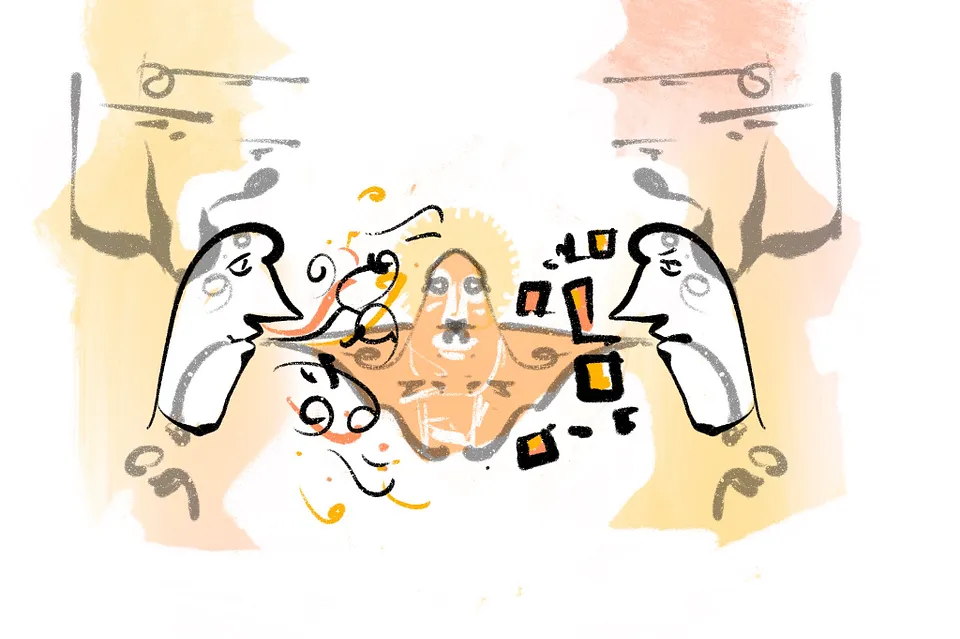
Two Rooms
A side-by-side exploration of what happens inside both participants during AI versus human therapy. Interior mapping reveals what pattern-matching cannot provide.
Experience Two Rooms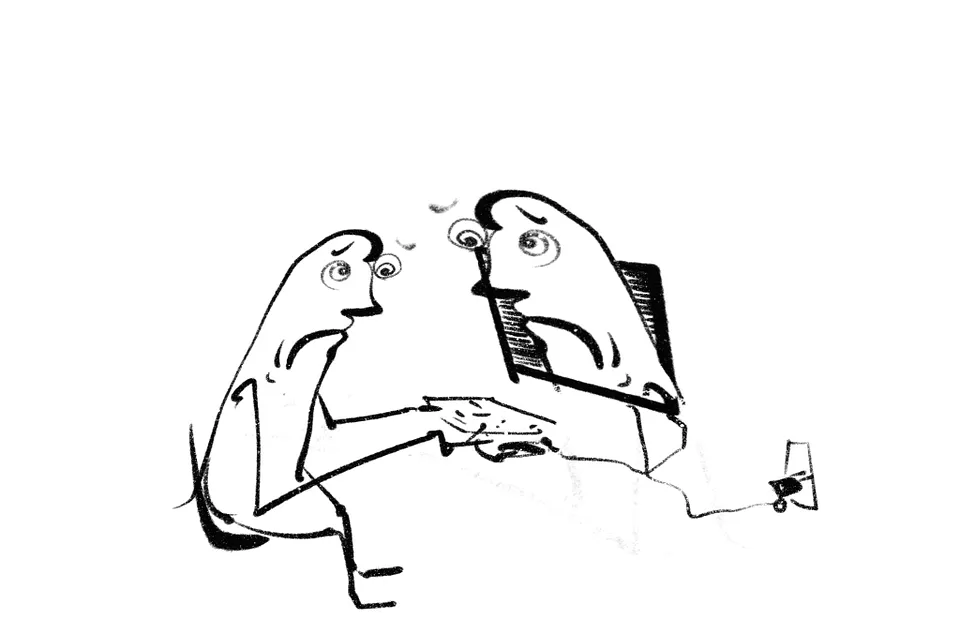
Thinking Out Loud
Writing
Essays on synthetic intimacy, clinical UX, and the future of AI-assisted healing. Writing as thinking.
Clinical UX as an Emergent Intervention
Why therapists should shape the future of AI tools. Introducing the ARI framework.
Mapping the Hidden Costs of AI Intimacy
Semantic isolation drift, emotional monopolization, and the erosion of relational capacity.
The Case for “aI”
A linguistic intervention at the edge of synthetic intimacy.
All Essays →
Subscribe to the newsletter on Substack.

About
Jocelyn Skillman, LMHC

Licensed Mental Health Counselor, Clinical Supervisor, and psychology instructor exploring how AI intersects with identity, healing, and human connection.
My work sits at the intersection of developmental psychology, trauma-informed care, and ethical AI systems design. I'm developing the Assistive Relational Intelligence (ARI) framework — principles and tools for AI that strengthens the human field rather than simulating it.
Currently: Supervisor of Alumni Outreach at The Seattle School of Theology & Psychology, clinical practice at Eastside Therapy Services, curriculum development for AI & Mental Health certificate programs, and building tools that demonstrate what ethical clinical AI could look like.